

Your Position: Home - Formwork - How to Optimize Formwork Efficiency in Large Construction Projects
In large construction projects, properly optimizing steel wall formwork systems can be a game-changer. Many construction managers struggle with delays and cost overruns due to inefficiencies in their formwork processes. For example, a study by the National Institute of Standards and Technology found that poor formwork management contributes to up to 25% of project delays. Users often want to know how to streamline their processes to improve productivity while adhering to safety standards and budget constraints. In this article, we will address these issues, provide detailed step-by-step guidance, and share real-world examples that illustrate how to solve common challenges. We'll also introduce how Kaichaungxing’s efficient steel wall formwork systems can enhance your construction process.
Before diving into the optimization steps, it’s crucial to gather the necessary materials and tools:
Premium Steel Wall Formwork: Invest in high-quality systems like those from Kaichaungxing, which have proven to reduce concrete wastage by up to 15% due to their precision.
Construction Management Software: Solutions like Procore or PlanGrid for real-time project tracking.
Safety Gear: Ensure all team members have protective equipment according to OSHA regulations.
Workforce Training: Provide training programs focusing on the setup and dismantling of formwork to minimize accidents and downtime, as training can reduce errors by up to 30%.
Now, let’s break down the process into actionable steps:
Step 1: Analyze the Project Scope
Before starting, assess the specific needs of your project. Understand the dimensions, load-bearing requirements, and the type of concrete mix to be used.
Step 2: Choose the Right Formwork System
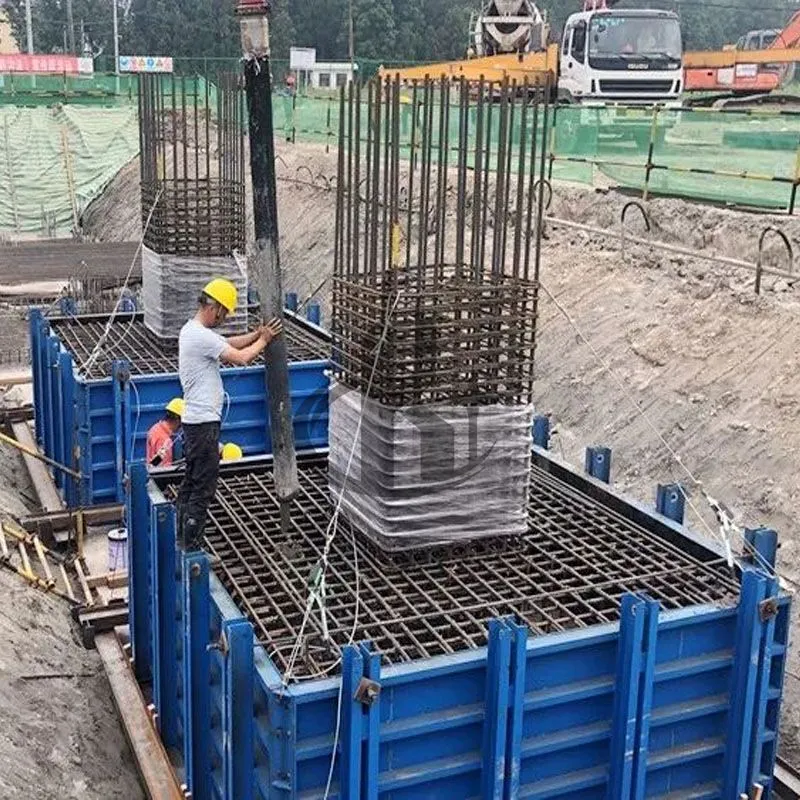
Based on your analysis, select an efficient steel wall formwork system. For instance, Kaichaungxing’s modular systems offer flexibility and can be reused multiple times, lowering overall costs by 20%.
Step 3: Develop a Timeline
Create a detailed schedule aligned with your workforce and resources. A well-structured timeline can enhance productivity by 25% compared to projects without clear scheduling.
Step 4: Implement a Training Program
Conduct hands-on training for your team that covers the specifics of the steel wall formwork system. A construction manager reported reducing setup time from 12 hours to 7 hours after a focused training session.
Step 5: Inspect Equipment Regularly
Prior to each use, perform inspections on all equipment. This routine can prevent 70% of machinery-related delays.
Step 6: Optimize the Pouring Process
Use tools that allow for controlled pouring rates, reducing spillage and ensuring optimal curing conditions. Focused methods can enhance strength of concrete by 15%.
Step 7: Maintain Open Communication
Keep lines open between all parties involved. Regular communication can reduce misunderstandings and lead to a smoother workflow, increasing overall efficiency by around 30%.
Step 8: Review and Adjust Regularly
Conduct weekly reviews of timeline efficiency and material usage. Adapting strategies based on feedback can lead to continual improvement.
Even with the best plans, many common errors can occur:
Incorrect Formwork Setup: Regular checks and training updates can help minimize these errors.
Inconsistent Concrete Locking: Ensure that the design specifications are followed precisely; using tools like laser levels can help.
Failure to Manage Material Resources: Keep inventory to avoid unexpected shortages by implementing a software solution.
Optimizing steel formwork in large construction projects is essential to circumvent delays and budget overruns. By following the outlined steps and investing in quality materials and training, project managers can attain notable efficiency gains. Brands like Kaichaungxing represent a reliable source for high-performance formwork solutions and are proven to significantly decrease material waste and labor time. Continuous evaluation and adjustment will foster a culture of improvement and ultimately lead to successful project completion.
93
0
0

Comments
All Comments (0)