

Your Position: Home - Fiberglass Products - How to Ensure Fire Safety with Fiberglass Mesh?
Fire Retardant Fiberglass Mesh is a vital material in construction projects where fire safety is a top priority. Designed to resist high temperatures and prevent the spread of flames, it is commonly used in wall reinforcement, insulation systems, and roofing. However, choosing the right mesh and using it correctly is essential to maximize its benefits.
A frequent challenge is ensuring the fiberglass mesh is compatible with the materials in use, such as concrete, plaster, or insulation. Misalignment can lead to reduced fire resistance or structural weaknesses.
Incorrect installation methods, such as inadequate overlap or poor adhesive application, compromise the fire-resistant properties. This is especially critical in high-risk areas like kitchens or industrial facilities.
Failure to verify if the selected fiberglass mesh meets local or international fire safety standards can result in legal complications and reduced safety.
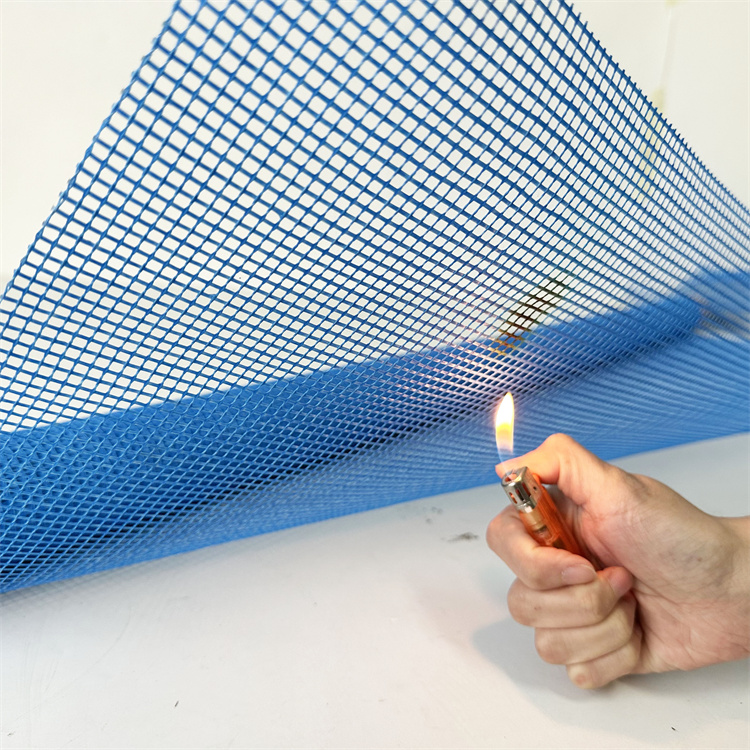
Always select Fire Retardant Fiberglass Mesh that complies with recognized safety standards, such as ASTM E84 or EN 13501. Verify certifications with the manufacturer or supplier to ensure reliability.
Additional reading:Before installation, assess the compatibility of the fiberglass mesh with other materials in your project. Conduct small-scale tests to confirm adhesion and integration.
Ensure overlap between mesh sheets is at least 10 cm and use a high-quality fire-resistant adhesive. Pay extra attention to corners and joints, as these are critical points for fire protection.
Inspect the installed mesh periodically for signs of wear, damage, or detachment. Regular maintenance ensures long-term fire safety and reduces repair costs.
Provide training to workers on proper handling and installation of Fire Retardant Fiberglass Mesh for construction. Knowledgeable staff reduces errors and improves overall safety.
Fire Retardant Fiberglass Mesh is a crucial component in enhancing fire safety in construction projects. By understanding the common issues and implementing these practical solutions, you can ensure maximum protection and compliance with safety standards. Whether you're a contractor or a project manager, taking these steps will contribute to a safer and more reliable construction process.
Additional reading:666
0
0

Comments
All Comments (0)
Related Articles
Are EN 10346 Steel Coils Compromising Structural Integrity in Construction?
The use of EN 10346 steel coils has raised questions and discussions within the construction industry regarding their safety and structural integrity
By May
406
0
0
How Does 15B37 H Steel Address Common User Challenges?
In the realm of construction and engineering, the choice of materials significantly impacts the success of a project
By Monica
404
0
0
Key Role of Steel Coils in Offshore Wind Farms
The role of steel coils in offshore wind farms is pivotal, serving as a foundational material for the construction of key components like turbine towers and substructures
By Alice
436
0
0
High Quality Steel Supply: Key Benefits and Cost-Saving Tips
In today’s global marketplace, sourcing high-quality steel has become a pivotal concern for various industries, ranging from construction to manufacturing
By Bonny
363
0
0
Titanium Plate vs. Steel Plate: Which is Superior for You?
When it comes to material selection for various applications, both titanium and steel plates have their unique advantages
By Geym
365
0
0
What Are the Benefits of 12L14 Lead Free Cutting Steel?
In the world of machining and manufacturing, the choice of materials plays a crucial role in product quality and environmental impact
By Steve
384
0
0
Why Buy Copper Clad Steel Plates for Superior Durability?
When it comes to selecting materials for construction and manufacturing, durability often ranks high on the priority list
By Morgan
354
0
0
7 Key Benefits of Using Hastelloy Plate in Industrial Applications
In the ever-evolving landscape of industrial applications, choosing the right materials is crucial for ensuring reliability and longevity in operations
By Ingrid
330
0
0